The Power of Partnership: Adults Convening Recap
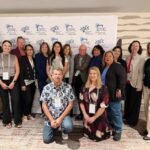
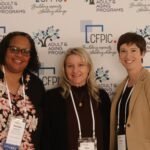
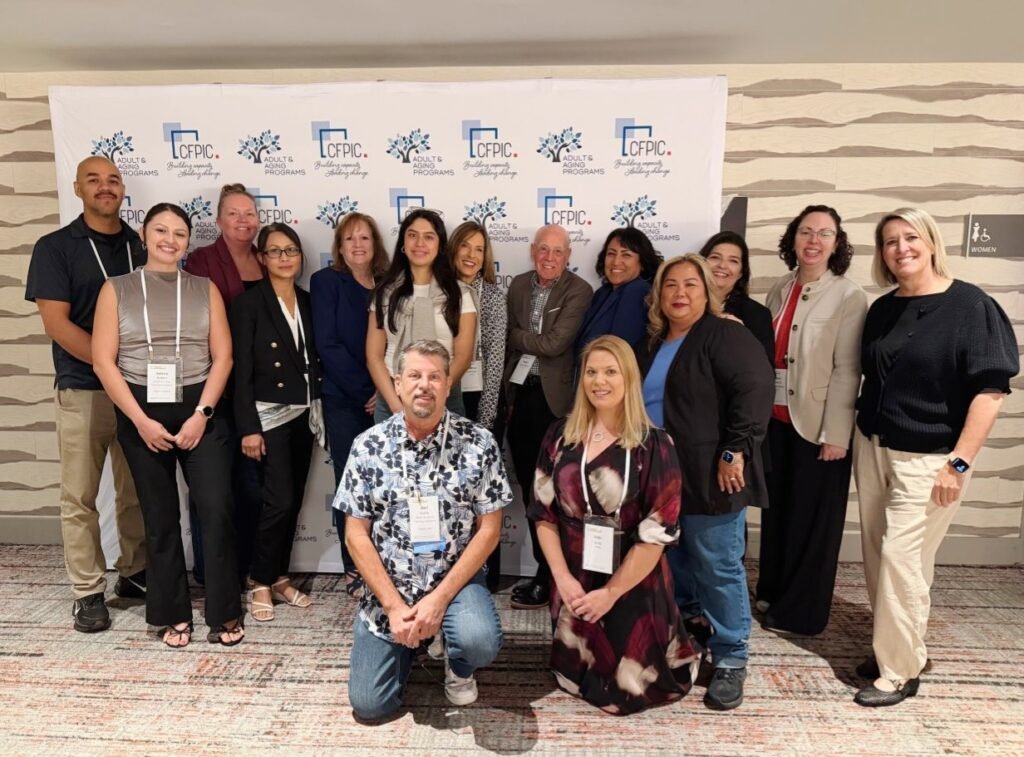
This month CFPIC, with the support of ASTA, brought together adult services leaders and partners from 54 counties for our 2026 Adult Services Convening. This year’s theme was, The Power of Partnership: Transforming Ideas into Action. From housing and health to caregiving, inclusion, behavioral health, and fraud prevention, participants explored what it takes to look at the whole person and break down the silos that can keep people from getting the support they need.
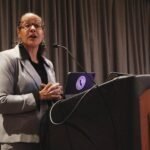
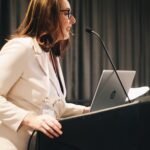
The event began with welcoming and encouraging remarks from Secretary Kim Johnson before our keynote, Gaelin Elmore, challenged us to think about the gap between what is and what could be, and what each of us can contribute to closing that gap. His message about belonging, compassion, authenticity, resilience, and empowerment gave us plenty to think about as we consider how we show up for the people and communities we serve.
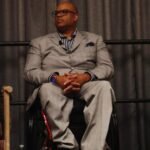
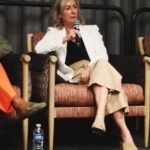
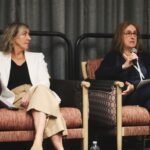
The Aging with a Disability panel brought together accomplished speakers with diverse lived experiences to share their stories, perspectives, and expertise. The conversation explored asset limits, accessibility barriers, emerging technology, and the bias and lack of disability-specific training that people can encounter in healthcare settings. Their experiences offered important insight into the barriers older adults with disabilities face and how systems can do better.
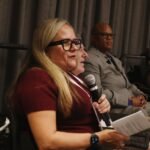
The Beyond the Referral: Building a Truly Integrated System of Care for Older Adults panel, facilitated by the California Behavioral Health Association, featured representatives from three older adult Full-Service Partnerships across California. Panelists shared how FSPs support older adults through a person-centered approach and emphasized the importance of meeting people where they are, even when their choices may seem unsafe to others. The focus is on building trust, supporting autonomy, and helping people make choices as safely as possible, rather than simply trying to stop those choices.
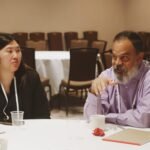
We also had an important conversation about strengthening partnerships with Tribal communities, including the importance of understanding Tribal sovereignty, historical and generational trauma, and the trust that must be built between communities and service systems. A key takeaway was that effective partnership requires humility, cultural responsiveness, respect for Tribal autonomy, and a willingness to understand the history that shapes relationships with government systems.
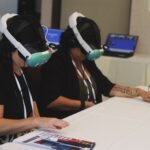
Three rounds of workshops gave participants the opportunity to dig deeper into practical ideas, strategies, and approaches they can take back to their own communities.
More than anything, the convening was a chance to reconnect, learn from one another, and think about how we turn good ideas into meaningful action. Thank you to everyone who joined us, and a special thanks to ASTA for helping make this year’s convening possible.
If you’d like to access the documents and presentations the convening’s workshops, you can locate them in our Adults resource hub here.